
Light-colored sofas always seem to look like they've stepped out of an interior design magazine. They are clean, fresh, elegant, and give the whole space a "calm, Scandinavian" vibe. The only problem is that when you finally get to the point of choosing one, a second thought usually comes to mind: "Okay, but how am I going to keep this clean?"

This is a completely normal fear, and not unfounded. A light fabric really behaves differently in everyday life than a darker shade. A coffee stain, the color from a pair of trousers, or even just the marks of daily use will show up much sooner on it.
However, this does not mean that a light-colored sofa is a bad decision. Rather, it means you need to choose the fabric wisely.
One of the most important things in this case is not necessarily the color, but the type of fabric and its surface. There are materials that have a very smooth surface, and because of this, every tiny stain is immediately visible on them. And there are also those that are a bit more structured, "livelier," and these hide smaller signs of wear much better.

Many people, for example, like to choose more structured fabrics in light colors because they don't provide a completely homogeneous surface; instead, they have a slight pattern, a play of light and shadow, which makes minor everyday dirt less noticeable. Good examples of this for us are Monaco and Arion, both of which have a structured surface and are available in light shades.
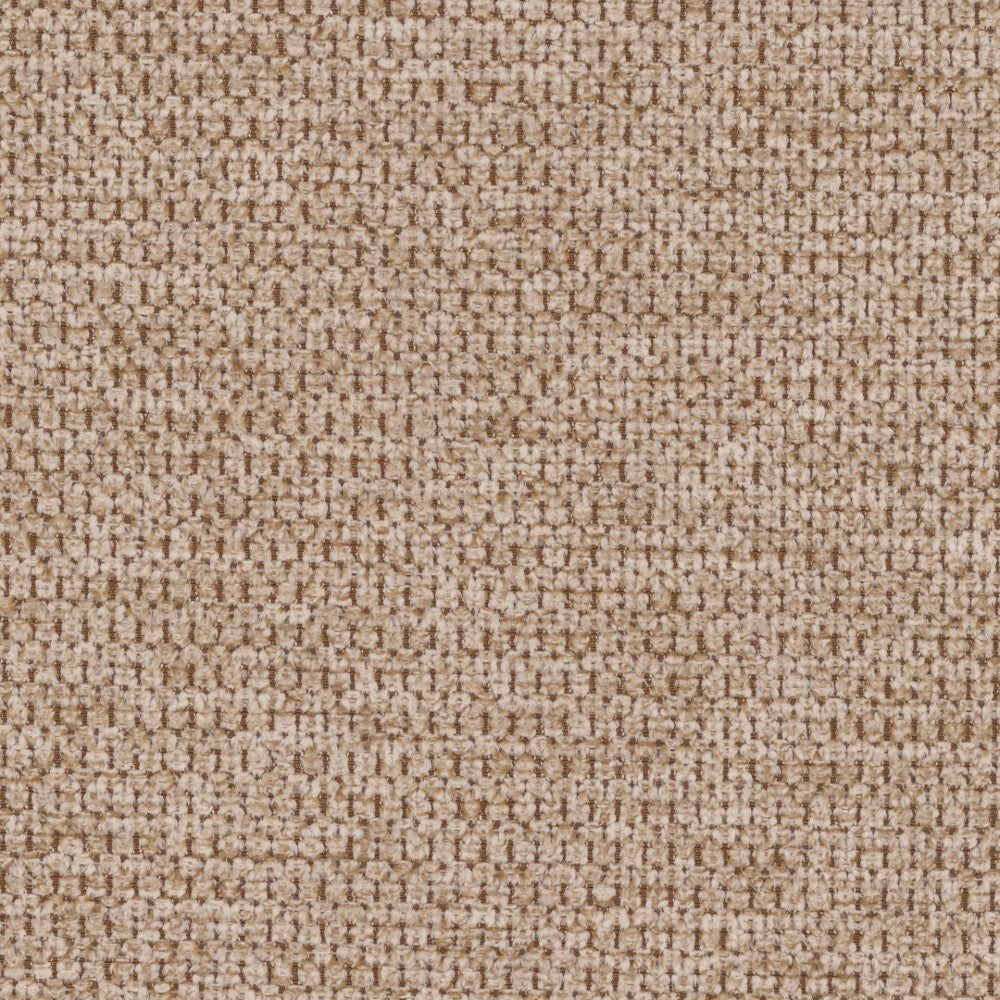
Another very important thing is how easy the material is to clean. So-called easy-clean or water-repellent fabrics, for example, have become popular precisely because they "absorb" liquids much less, so a spilled coffee or soft drink does not necessarily mean the sofa will immediately become stained. If this is your main consideration, it's worth checking out Maximus and Tierra—both are easy-clean fabrics.
However, here too, an honest thought is important: no fabric is completely "indestructible." It's more about how easily you can handle daily life with it.
And when it comes to color choice, the best compromise is often not to go for the brightest white, but for a slightly warmer, off-white, light beige, or very pale grayish shade. These still appear light but are much more "forgiving" with everyday use. A perfect example of this is the Tokyo beige—a warm, off-white shade that is beautiful in person.

And perhaps most importantly: people don't choose a light-colored sofa because it's the most practical, but because it creates an atmosphere. It makes a space feel airier, cleaner, and calmer. Choosing the right fabric in this case isn't about ensuring nothing ever shows on it, but about making it livable in everyday life.
This is also why many people don't just decide based on a screen but ask for a sample and view the fabric in the light of their own home. Because what seems perfect in a store or a photo can have a completely different effect at home.